

IPL Facial for Hyperpigmentation: Causes, Treatment, and Prevention
Summary: Hyperpigmentation can develop from sun exposure, aging, hormonal changes, acne, and other skin conditions. An IPL Facial uses intense pulsed light to target certain types of pigmentation and improve the appearance of uneven skin tone. Treatment suitability and results depend on the cause of discoloration, skin tone, and individual needs. Professional evaluation, sun protection, and consistent skincare can help support healthier-looking skin.
Dark spots can be frustrating, especially when they remain long after a pimple heals or become more noticeable after spending time outdoors. Hyperpigmentation is a common skin concern that affects people of different ages and skin types. While some discoloration fades over time, other spots may persist without targeted treatment.
An IPL Facial is one option for addressing certain types of pigmentation. It uses intense pulsed light to target pigment in the skin without surgery. However, the treatment is not suitable for every type of discoloration, and results vary from person to person.
Understanding what causes hyperpigmentation, how IPL works, and how to protect your skin afterward can help you make informed decisions about your skincare routine.
What Causes Hyperpigmentation?
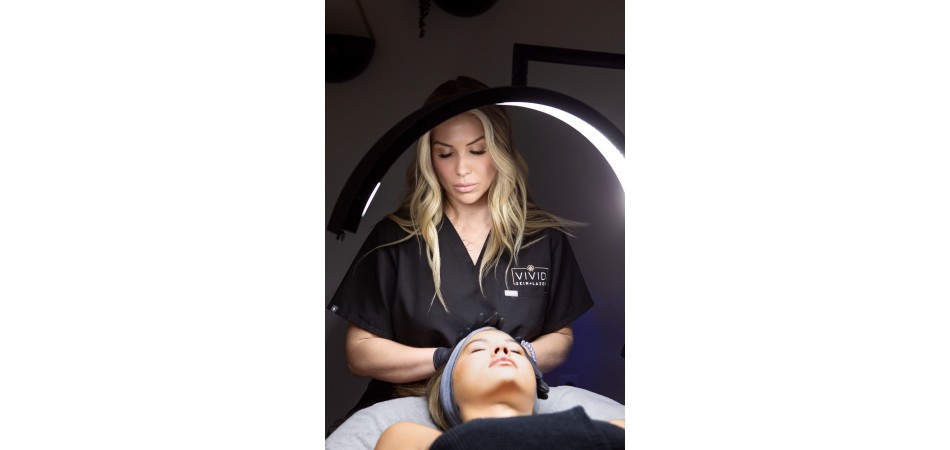
Hyperpigmentation occurs when excess melanin, the pigment responsible for skin color, develops or accumulates in certain areas. This can create brown spots, darker patches, or an uneven complexion.
Several factors can contribute to these changes.
Sun Damage and UV Exposure
Sun exposure is one of the most common causes of hyperpigmentation. When ultraviolet (UV) radiation reaches your skin, it stimulates melanin production as part of the body’s natural protective response.
Over time, repeated exposure can contribute to sunspots, also called solar lentigines. These flat, brown spots often appear on areas that receive frequent sunlight, including the face, hands, shoulders, and chest.
Even if you use skincare products regularly, ongoing UV exposure can make existing spots darker and encourage new discoloration to develop.
Aging and Age Spots
Age spots become more common as people get older, particularly when years of sun exposure have accumulated. They may appear as flat, tan, brown, or dark patches on the skin.
Although age spots are generally harmless, changes in the appearance of a spot should not automatically be attributed to aging. A dermatologist should evaluate spots that change in size, shape, or color, or develop other unusual features, before cosmetic treatment is considered.
Hormonal Changes and Melasma
Hormonal fluctuations can trigger melasma, a condition that causes brown or gray-brown patches, commonly across the cheeks, forehead, upper lip, and chin.
Pregnancy, hormonal medications, and sun exposure can contribute to melasma. Unlike some sunspots, melasma can be difficult to manage and may return even after successful treatment.
IPL is not always appropriate for melasma because heat and light exposure can sometimes worsen the condition. A professional evaluation is important before selecting a treatment.
Acne and Skin Injuries
Have you noticed a dark mark where a pimple used to be? This may be post-inflammatory hyperpigmentation (PIH).
When the skin becomes inflamed because of acne, irritation, or an injury, it can produce additional pigment during the healing process. These marks may remain after the original problem has disappeared.
Picking pimples, squeezing blemishes, and using irritating skincare products can increase the risk of lingering discoloration, particularly in people prone to PIH.
Genetics and Environmental Factors
Your genetics can influence how your skin responds to sunlight, inflammation, and hormonal changes. Environmental factors, including repeated UV exposure and air pollution, may also contribute to changes in skin appearance.
Because several factors can cause similar-looking dark spots, identifying the underlying condition is essential. A treatment that works well for sunspots may not be the best option for melasma or acne-related discoloration.
How IPL Facial Treatments Help Reduce Hyperpigmentation
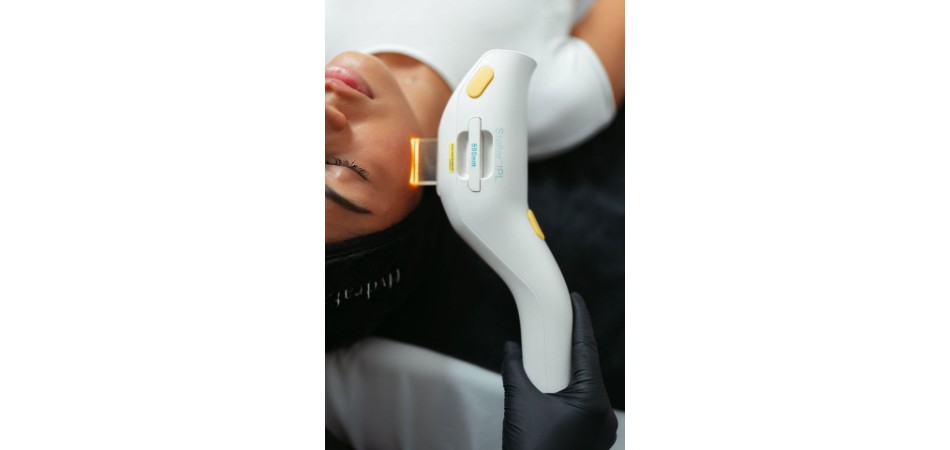
An IPL Facial Treatment uses intense pulsed light to target selected pigments within the skin. Unlike a traditional laser, which generally uses a specific wavelength or narrow range of wavelengths, IPL delivers a broader spectrum of light.
When appropriately selected, the light energy is absorbed by targeted pigment and converted into heat. This helps break down or alter pigment deposits, allowing the body to gradually clear the treated material.
The goal is to reduce the appearance of certain dark spots and create a more even-looking complexion. IPL may also help address some visible redness associated with sun damage and other vascular concerns.
However, it does not treat every cause of hyperpigmentation, and improvement is not guaranteed.
What Happens During an IPL Facial Appointment?
Knowing what to expect can make the treatment process feel more comfortable.
- Skin assessment and consultation
Your provider examines your skin, discusses your concerns, and reviews relevant medical history, medications, recent tanning, and previous treatments. They may also determine whether a dark spot needs medical evaluation before proceeding.
- Preparing the skin
The treatment area is cleansed, and protective eyewear is provided. Depending on the device and your skin, your provider may use a cooling gel or another method to improve comfort.
- Applying the light pulses
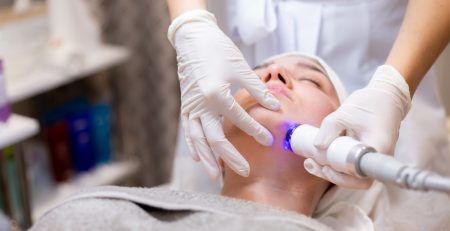
The IPL handpiece is placed against the skin, delivering controlled pulses of light to the selected areas. You may feel brief snapping or warming sensations during treatment.
- Following aftercare instructions
Your skin may appear temporarily red or feel warm after the appointment. Treated pigmented spots may darken before gradually fading, depending on the treatment and the type of pigmentation.
Your provider will explain how to care for your skin and when to resume your regular products.
How Many IPL Sessions Are Needed?
The number of sessions depends on the type and severity of pigmentation, the device used, and how your skin responds. Some people may notice improvement after an initial session, while others need a series of treatments spaced several weeks apart.
It is important to allow your skin sufficient time to recover between appointments. Additional sessions should be based on your provider’s assessment rather than a fixed schedule.
IPL can improve the appearance of selected spots, but it cannot prevent new pigmentation from forming if the underlying triggers remain.
Who Is a Good Candidate for IPL Facial Treatments?
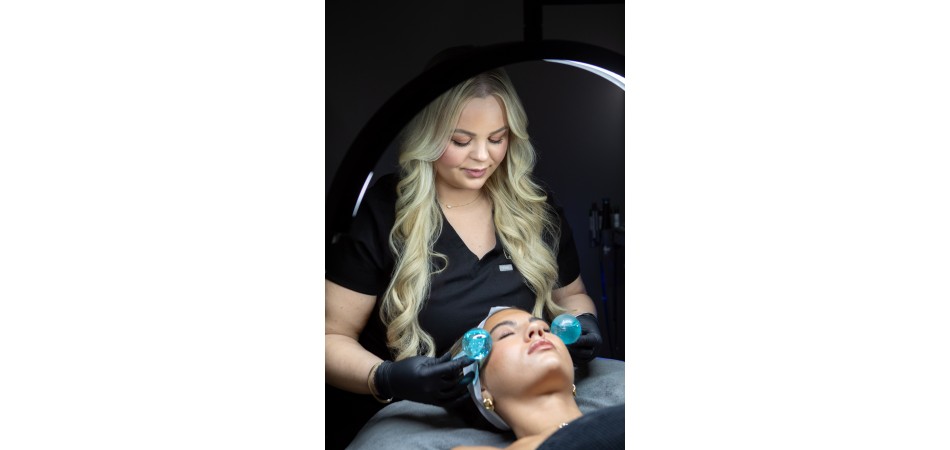
IPL may be suitable for people who want to address certain sunspots, freckles, and superficial pigmentation. Candidates should have a skin concern that responds to the technology and realistic expectations about the results.
However, suitability depends on more than the presence of dark spots.
Why Skin Tone Matters
IPL targets pigment, but the light can also interact with melanin in the surrounding skin. This creates a greater risk of burns, unwanted lightening, or additional darkening in people with darker skin tones.
A qualified provider should assess your skin and determine whether IPL is appropriate for your particular complexion. Depending on the circumstances, another treatment may offer a safer option.
When Alternative Treatments May Be Better
IPL is not the ideal choice for every pigmentation concern. Melasma may respond better to a carefully selected combination of sun protection, topical treatments, and other dermatologist-recommended therapies.
Post-inflammatory hyperpigmentation may improve with appropriate acne management and topical ingredients that address discoloration. Certain lesions may also require medical evaluation rather than cosmetic treatment.
If you are considering an IPL Facial Service Chandler AZ, a personalized consultation can help determine whether IPL suits your skin concerns or whether another approach would be more appropriate.
The aim is not simply to reduce visible spots. It is to choose a treatment that addresses the underlying concern while minimizing the risk of further discoloration.
Preventing Hyperpigmentation After Treatment
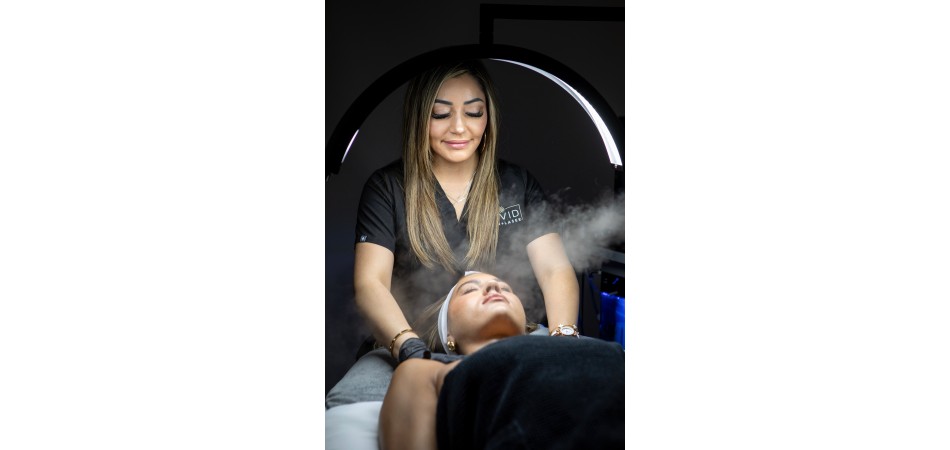
Even when an IPL treatment improves existing spots, new discoloration can develop. Sun exposure, hormonal changes, and skin inflammation can still trigger pigmentation.
A consistent prevention routine helps protect your results.
Make Sunscreen Part of Your Daily Routine
Apply a broad-spectrum sunscreen with SPF 30 or higher every day. Broad-spectrum protection helps defend against both UVA and UVB rays.
Apply it generously to exposed skin and reapply at least every two hours when outdoors, as well as after swimming or sweating. Remember that UV exposure can occur during everyday activities, even when you are not intentionally sunbathing.
If you are prone to melasma or pigmentation, ask your skincare professional whether a tinted sunscreen containing iron oxides would be beneficial, since visible light can contribute to discoloration in some people.
Protect Your Skin From Excessive Sun Exposure
Sunscreen works best alongside other protective measures.
Wear a wide-brimmed hat, use protective clothing, seek shade, and limit prolonged exposure during periods of intense sunlight. These habits are particularly important after IPL treatment, when your skin may be more sensitive.
Avoid tanning beds and intentional tanning, which can increase skin damage and make pigmentation more difficult to manage.
Follow a Consistent Skincare Routine
A simple skincare routine can help maintain your skin barrier and support a more even complexion.
Use a gentle cleanser, an appropriate moisturizer, and sunscreen. Depending on your skin and the cause of pigmentation, a professional may recommend ingredients such as azelaic acid, retinoids, or vitamin C.
Introduce active ingredients carefully, especially after a procedure. Using several strong products at once can irritate, potentially leading to more post-inflammatory pigmentation.
Follow your provider’s instructions about when to restart exfoliants, retinoids, and other active products after treatment.
Avoid Picking at Acne and Irritated Skin
Picking pimples or scratching irritated areas can prolong inflammation and increase the risk of dark marks.
If you experience recurring acne, seek appropriate treatment rather than relying on aggressive scrubs or frequent spot treatments. Managing acne early can help reduce the development of new discoloration.
Schedule Follow-Up Evaluations
Regular skincare evaluations can help your provider monitor improvements, identify new concerns, and adjust your treatment plan.
Some pigmentation conditions require ongoing maintenance, while others may respond to a shorter course of treatment. Follow-up appointments also provide an opportunity to review your sun protection habits and discuss whether additional sessions are appropriate.
Conclusion
Hyperpigmentation can develop for several reasons, from accumulated sun damage to hormonal changes and acne-related inflammation. Understanding the cause is the first step toward choosing an appropriate treatment.
An IPL facial can help improve the appearance of certain types of pigmentation, but suitability depends on your skin tone, the type of discoloration, and your individual response. Professional assessment and consistent sun protection are important parts of a responsible treatment plan.
At Vivid Skin, Hair & Laser Center, you can explore your options and discuss whether an IPL facial is appropriate for your skincare concerns.
Schedule a personalized consultation to take the next step toward a more even-looking complexion.
FAQs
What types of hyperpigmentation can an IPL facial treat?

How many IPL sessions are typically needed to see noticeable improvement?
Is there any downtime after an IPL facial treatment?
Downtime is generally limited, but temporary redness, warmth, or mild swelling may occur. Pigmented spots may darken before fading, depending on the treatment. Follow your provider's aftercare instructions and contact them if you experience severe pain, blistering, or unexpected skin changes.
Can IPL facials be performed on all skin types and tones?
No. IPL can carry a higher risk of burns and pigmentation changes in darker skin tones because the light may also target melanin in the surrounding skin. A qualified provider should assess your complexion and recommend a suitable treatment or alternative when necessary.
How can I help prevent hyperpigmentation from returning after IPL treatment?
Use broad-spectrum SPF 30 or higher daily, reapply sunscreen as directed, wear protective clothing, and limit excessive sun exposure. Follow a gentle skincare routine, avoid picking at acne, and seek professional guidance for recurring pigmentation. These steps can help reduce the risk of new discoloration.


Leave a Reply