
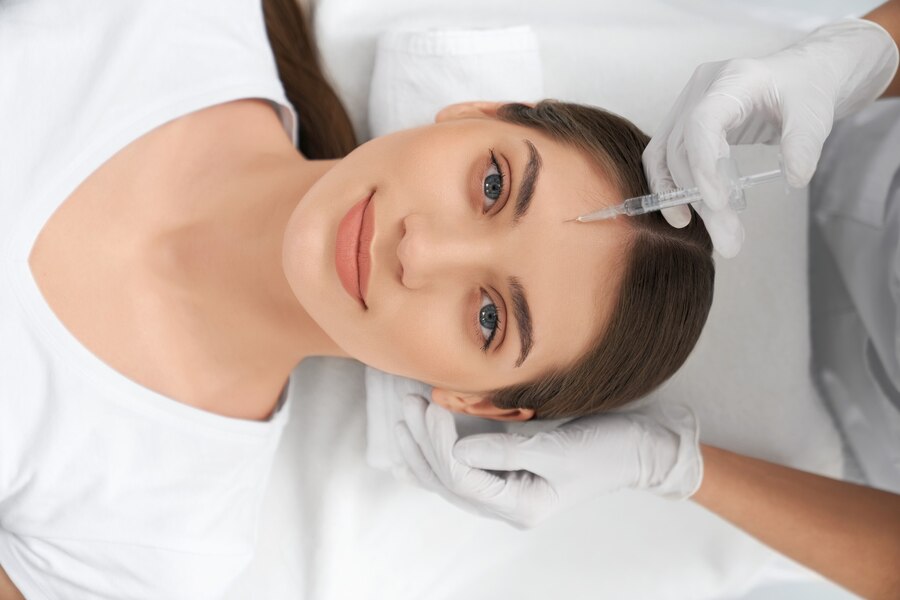
Botox vs. Dermal Injectables: Understanding the Differences
Summary: This article compares Botox and dermal injectables, explaining how each works, its benefits, uses, results, side effects, and costs. Botox targets dynamic wrinkles caused by muscle movement, while fillers restore volume and contour. Understanding their differences helps you choose the most effective, personalised facial rejuvenation option.
A quest for a youthful and rejuvenated look regularly turns individuals to various cosmetic procedures. Among the available options in this section are Botox and dermal injectables. Though both must be injected, they differ because one is specific to specific applications while the other is not. Knowing that one is different from the other is a must for you to be able to choose which is the most suitable for you and your concerns and the route that will best accomplish your goal.
What is Botox?
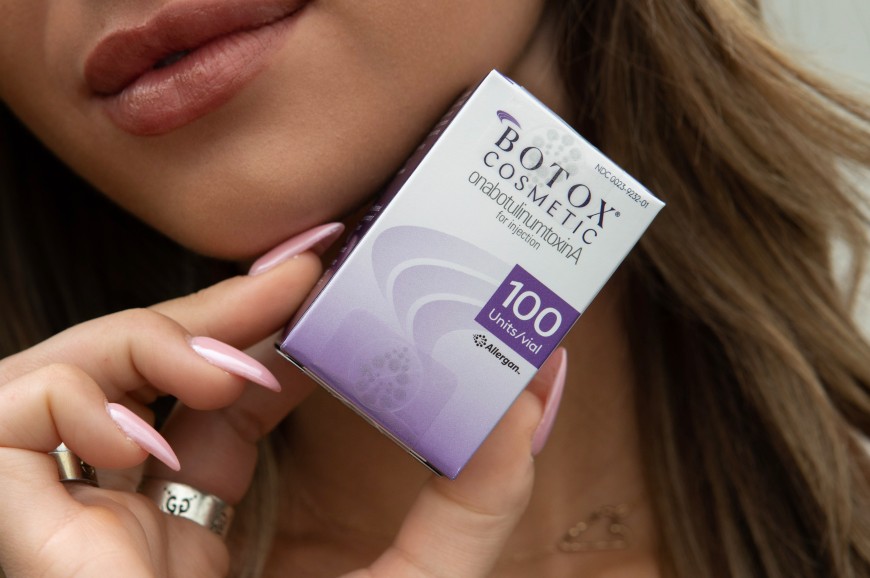
One effective way to rejuvenate and plump the skin is through Botox injections, a purified protein derived from Clostridium botulinum bacteria. Although this bacterium can cause botulism in its untreated form, the version used in medical and cosmetic treatments is rigorously tested and purified to ensure safety and effectiveness. In cosmetic applications, Botox works by blocking the neurotransmitter acetylcholine, which is responsible for muscle contraction. By relaxing targeted muscles, treatments such as mouth line Botox for smile lines help soften dynamic wrinkles and create a smoother, more youthful appearance.
Benefits of Botox
Besides its widely known cosmetic uses, Botox boasts other diverse applications:
- Treating Migraines: Botox for migraine has botulinum toxin injectables that effectively treat migraines. This treatment effectively treats frequent migraines, prevents them from appearing recently, and significantly decreases the severity of said disease.
- Reducing Facial Wrinkles: Such a feature continues to be recognized as the most appropriate. Botox treatment releases muscle tension by targeting the facial areas. These areas are associated with wrinkles and fine lines, such as frowns and forehead wrinkles.
- Treating Muscle Spasms: The injection can help with medical problems by controlling the muscle spasms. These spasms are symptoms of dystonia, hemifacial spasms, or blepharospasm.
- Managing Hyperhidrosis: To S.A.D., or severe hyperhidrosis, it is a serious illness that completely changes daily routines and life quality. Botox injections, which only last 4-8 months, interfere with the process of nerve signals that stimulate sweat production in specific sweat glands in the armpits, palms, and feet.
What are Dermal Injectables?
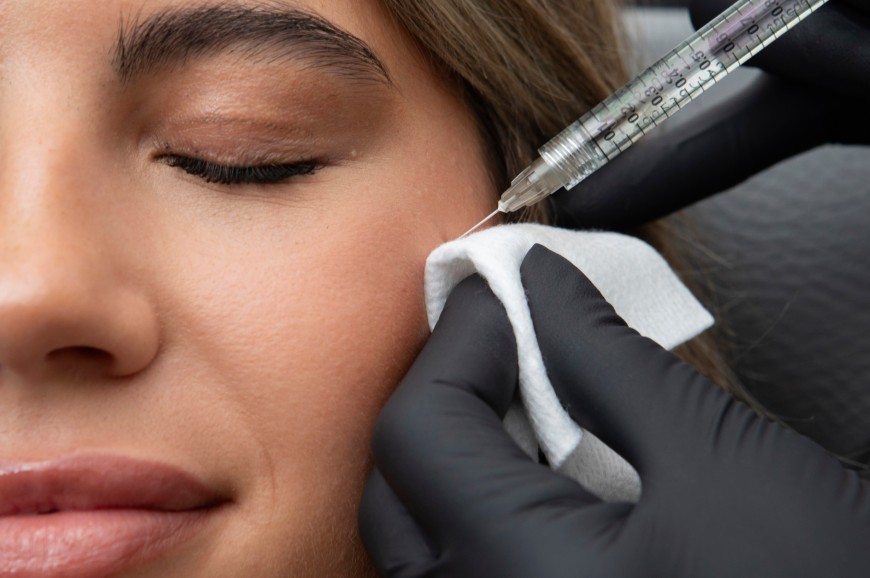
Dermal fillers are among the most frequently used injectables that revive lost contours, balance wrinkles, and accentuate your face. These substances are carefully injected under selected facial areas by a medical expert, mostly a dermatologist or a plastic surgeon.
Different dermal injectables are on the market and have other qualities and uses. Some examples of minimally invasive fillers include:
- Hyaluronic acid (H.A.): It uses a naturally occurring substance found in the body that attracts and retains moisture. Hyaluronic acid (H.A.) fillers are commonly used to treat wrinkles, fine lines, cheeks, lips, and under-eye hollows by restoring volume and hydration. When comparing Botox vs lip filler, H.A. fillers are ideal for adding fullness and smoothing areas caused by volume loss, rather than relaxing muscle movement.
- Calcium hydroxylapatite (CaHA): This biocompatible additive projects collagen, and as the production time lengthens again, the wrinkles will appear less prominent and smooth. They obtained face particularity to treat deep wrinkles and folds with nasolabial lines and chin augmentation.
- PLLA: The synthetic molecules of this material increase collagen production, which is why it has a long-lasting and volumizing effect on elevating the face. The PLLA filler is for purposes like deep wrinkles under cheekbones, jawline definition, and facial rejuvenation.
Benefits Of Dermal Injectables
Dermal injectables can provide different advantages to those who desire to improve their physical appearance and remediate specific issues.
- Non-surgical and minimally invasive: Dermal fillers do not involve surgery, unlike conventional fillers. They are a method for non-surgical and minimally invasive face rejuvenation.
- Targeted results: Dermal injectables have specific targeting mechanisms and can treat fine lines, wrinkles, and volume loss in particular face areas. Such accuracy leads to a realistic result.
- Gradual and natural-looking results: Unlike dramatic surgical transformations, dermal injectables usually work by providing a gentle and non-obvious addition. With this technology, the outcome looks natural and agrees with your taste.
- Improved confidence and self-esteem: Through solving issues and enhancing facial features, dermal injectables can boost confidence and self-esteem. It can improve different areas of life, personal and professional.
Factors to Consider Between Botox and Injectables
Uses
Botox is a treatment that focuses on dynamic wrinkles formed when a person frowns, squints, or purses her lips repeatedly. It is commonly used for:
- Frown lines (between the eyebrows)
- Forehead lines
- Crow’sCrow’s feet (around the eyes)
- Gummy smile (excessive gum exposure when smiling)
- Bunny lines (wrinkles on the bridge of the nose)
Dermal injectables offer a more comprehensive range of uses:
- Wrinkle-Reducing Treatment: By working like Botox, the treatment implies H.A. fillers to the depressed wrinkle areas. The volume can be injected into deeper wrinkles and folds.
- Volume restoration: H.A. and CaHA fillers effectively restore the face’s lost volume in areas like the cheeks, lips, and temples. This technique gives a radiant and lifting look.
- Facial sculpting: H.A. and CaHA fillers can be used for subtle facial sculpting. This method helps enhance features like jawline and chin.
- Improving facial contours: The presence of H.A. in cosmetic fillers can relieve dark circles or erase the marks left by acne. We can handle acne-prone skin to achieve a clear skin successfully.
Results
The results of Botox are noticeable mainly 3-7 days after the procedure, with the peak effect lasting 3-4 months. The smooth and wrinkle-free appearance returns to the soft tissues, such as the face, skin, and muscles.
Dermal injectables offer varying results based on the type of filler used:
- H.A. fillers: Reactions are visual instant and usually persist for 6-18 months in the area treated, with the bulk of the results seen in the initial 6-12 months.
- CaHA fillers: Benefits are noticeable and may last as long as two years; H.A. fillers offer a short-term result.
Side Effects
Botox and dermal injections are considered safe when treated by a thoroughly qualified medical person. The side effects depend on the treatment, technique, and post-care. It is vital to follow post-care instructions to avoid any serious issues.
- Botox: Common side effects include injection site discoloration, pressure, and tenderness that last less than seven days. Some side effects may include headache, fatigue, pseudo-apoplexy, and leukopenia.
- Dermal injectables: In certain instances, redness, bruise, tenderness, swelling, or pain in the injection site can be a temporary side effect. No matter the side effects and your doctor’s risk, you need to inform him about them or which one you are alarmed about the most.
Costs
Botox: The pricing of Botox treatments is based on the units required to achieve the expected outcome. Botox costs from $10 to $15 for one unit, with the total amount changing based on the size of the treated area and the practitioner’s experience.
Dermal Fillers: The injectables differ in cost, ranging from the type of filler used, the amount required, and the location of the treated area. H.A. fillers are cheap even compared with CaHA and PLLA fillers. The dermal filler cost for hyaluronic acid is around $794, while the average cost of non-hyaluronic fillers is $1039.
Botox vs. Fillers: Which is More Effective?
Botox and dermal fillers enjoy wide popularity as options for non-surgical facial rejuvenation, but they are solving different issues, and they offer diverse outcomes. If you choose one or the other, it will be defined by your unique objectives only.
Botox
- Focus: Targets wrinkles and lines caused by muscle movement (forehead lines, frown lines, crow’s feet).
- Effectiveness: Temporarily relaxes muscles, smoothing wrinkles effectively for 3-4 months.
- It is not ideal for addressing volume loss or static wrinkles not caused by muscle movement.
Fillers
- Focus: Addressing volume loss, plumping lips, enhancing facial features, and treating static wrinkles.
- Effectiveness: Various types exist, each offering different benefits and longevity (H.A. fillers offer immediate 6-12 months, while CaHA and PLLA provide long-lasting results taking weeks to show).
- It is not ideal for treating dynamic wrinkles caused by muscle movement.
The most effective option lies in understanding your specific needs and concerns. Consult a qualified professional to discuss your desired outcome and receive personalized advice on whether Botox, fillers, or a combination approach best suits you.
Experience the Transformative Power of Vivid Skin & hari Laser Center
Are you tired of dull skin and looking forward to achieving a radiant glow? At Vivid Skin, Hair & Laser Center, we use cutting-edge technology integrated with personalized care to liberate the skin from its limits. Besides the tailor-made facials that rejuvenate and nourish your skin, our highly trained staff is also here to help you eliminate imperfections using the latest laser technology.
If you want an acne skin care service in Chandler, AZ, book your appointment at the Vivid Skin & Laser Center today and let your journey to clearer, healthier skin begin.
FAQs
What is the main difference between Botox and dermal fillers?

How long do Botox results last?
How long do dermal filler results last?
Depending on the filler type, results can last from 6 months to up to 2 years.
Are Botox and dermal fillers safe?
Yes, both are safe when performed by a qualified and experienced medical professional.
Can Botox and fillers be combined?
Yes, many patients benefit from a combination approach to address both wrinkles and volume loss for more balanced results.




Leave a Reply